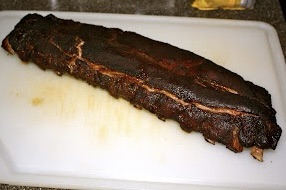
About 15 years ago, I took my first shot at starting a food blog. I loved cooking, experimenting with recipes, and sharing what I was making with anyone willing to read about it. One of those early posts was called “The Secret of My Baby Back Success,” where I shared the simple method I used to smoke baby back ribs low and slow in my backyard.
Then life happened.
I had kids, and as any parent knows, they have a funny way of taking up just about every bit of free time you thought you had. The food blog eventually took a back seat to raising a family, but the cooking never stopped. If anything, having a family gave me even more reasons to cook.
Now those kids are grown, or getting pretty darn close, and I finally have the opportunity to revisit some of those recipes and posts I wrote all those years ago. Some of my techniques have changed, some have been refined, and I’d like to think I’ve learned a thing or two along the way—but it’s also fun discovering how much has stayed the same.
So I’m digging into the archives and bringing back one of the originals.
Here’s a look at The Secret of My Baby Back Success—15 years, countless racks of ribs, and a whole lot of barbecue later.
Enjoy….
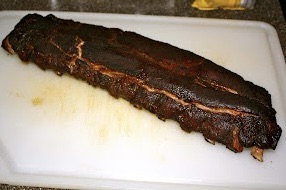
Everyone is always asking me how I cook my baby back ribs, so here is a day in the life of baby back ribs at our house. There’s nothing fancy about this method, but it does take a little time, so plan ahead.
First off, you’ll need two racks of baby back pork ribs.
Remove the ribs from the package, pat them dry, and place them on a large cutting board or sheet pan. I actually bought a big tub years ago just for seasoning briskets, ribs, pork butts, and everything else headed for the smoker.
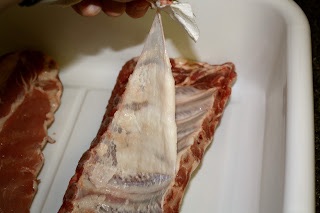
On the underside of the ribs, you’ll find a tough membrane that should be removed before seasoning. Take a butter knife and carefully work it underneath one corner of the membrane until you can get hold of it. Grab it with a paper towel for a better grip and slowly pull it away from the rack.
Next, coat both sides of the ribs with a thin layer of yellow mustard. Don’t worry—the finished ribs won’t taste like mustard. It simply acts as a binder, helping the seasoning stick to the meat and giving us a nice base for that flavorful bark.
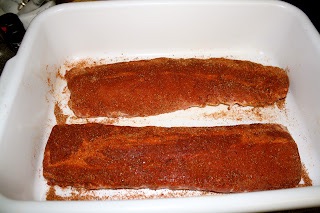
Once the ribs are coated, generously season both sides with your favorite dry rub. I make my own, but there are plenty of really good barbecue rubs at the grocery store if you don’t feel like going through the trouble of making one from scratch.
Fire up your favorite smoker and bring it to 225°F. You can use just about any hardwood you like, but I’ve always preferred the flavor of hickory with pork ribs.
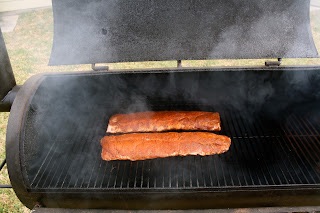
I smoke my baby backs for about five hours. It sounds like a long time, but I like my ribs tender and pulling easily from the bone, and low and slow is the way I’ve always done them.
After about three hours on the smoker, wrap the ribs tightly in foil and return them to the smoker. Wrapping helps hold in moisture and allows the ribs to steam a little, which helps get them nice and tender.
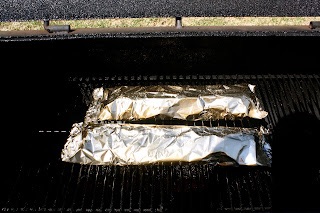
Let them cook wrapped for another two hours, or until they’ve reached the tenderness you like. Remember, barbecue is done when it’s done—not just because the clock says so.
If you prefer a wet rib, unwrap them during the last 20–30 minutes of cooking and brush them with your favorite homemade or store-bought barbecue sauce. Put them back on the smoker uncovered just long enough for the sauce to set and get nice and tacky.
Once the ribs are done, remove them from the smoker and let them rest for at least 20–30 minutes before slicing and serving. A dry cooler works great for holding them if you need a little extra time before dinner.
One thing I wrote when I first shared this recipe about 15 years ago still holds true today: don’t be afraid to experiment.
This technique isn’t the only way to cook ribs, and barbecue is something you get better at every time you fire up the smoker. Try different rubs, sauces, woods, temperatures, and cooking times. Everyone’s taste is different, so find the combination that works for you.
That’s half the fun of barbecue anyway.


Leave a Reply